Unknown's avatar

About composerinthegarden

A composer by vocation, a gardener by avocation. My garden and my life as a composer are deeply intertwined - the yin and yang of my creative life. . .

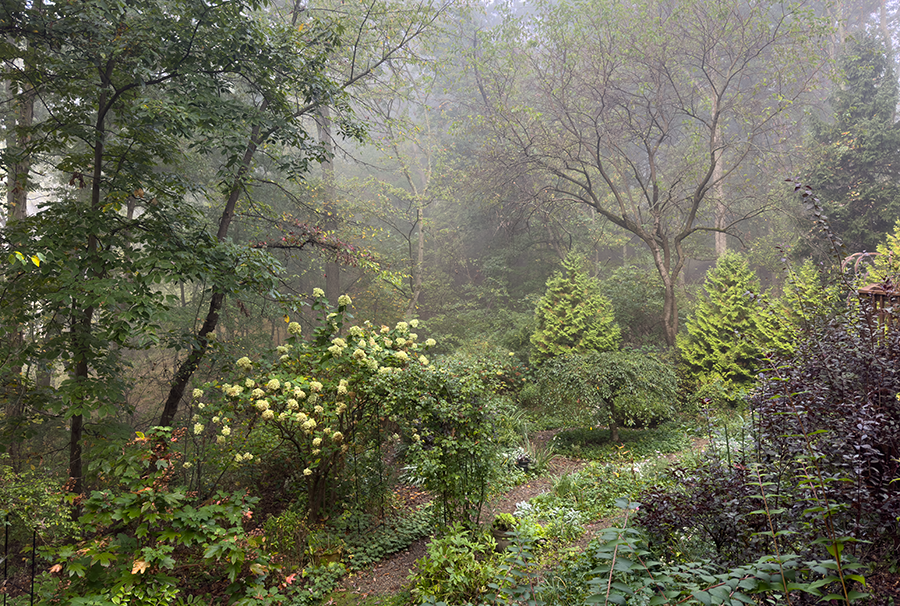
A peaceful woodland garden

There is always music amongst the trees in the garden, but our hearts must be very quiet to hear it. ~Minnie Aumonier

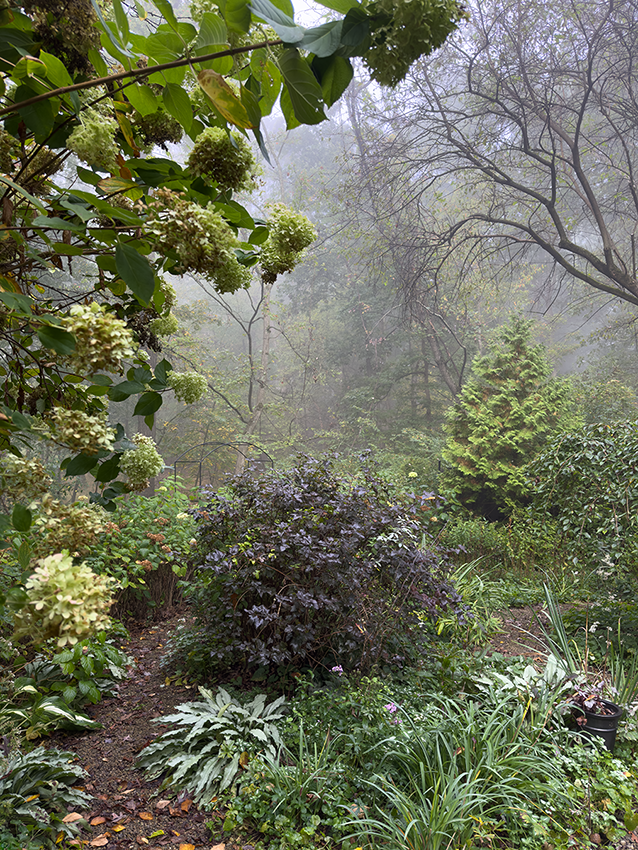
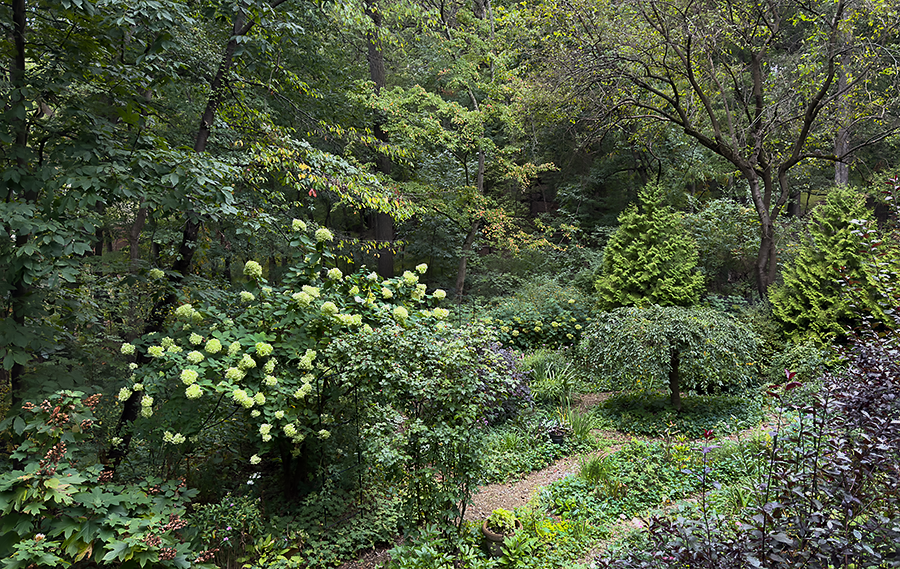
It was only last year that I created my woodland garden yet it is the first place where Pixie and I walk at dawn . . .and the last place where we linger at dusk. The quiet green heart of it draws us in many times a day to meander and explore. The cool shade of the woods has become a refreshing place to escape the intense heat of the sun at midday.Woodland walk after rain
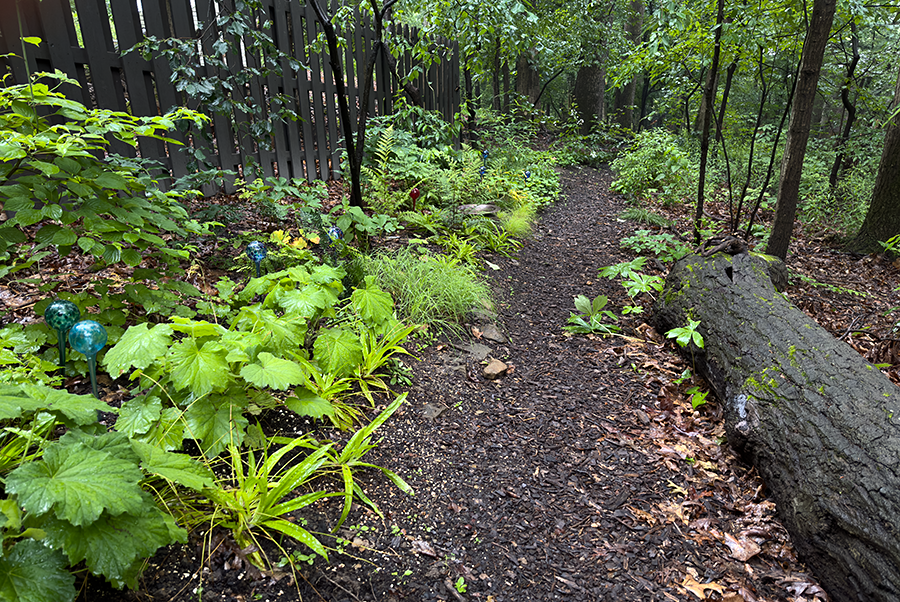
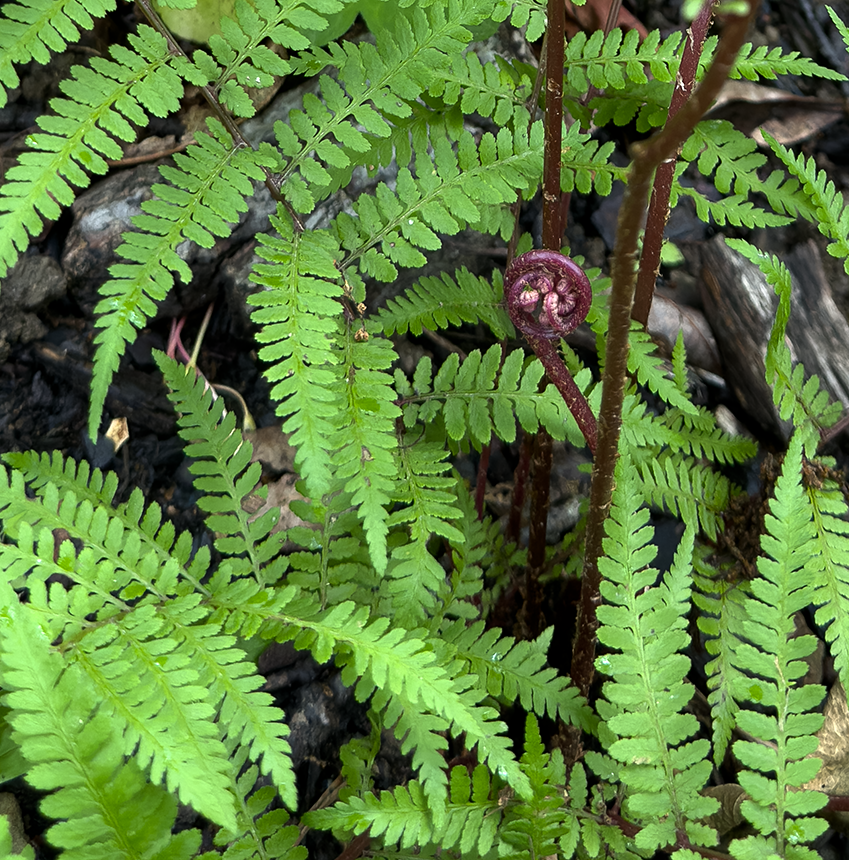
There are so many details to notice, like the red croziers of a lady fern

and the green and black pinwheels of the maidenhair ferns.

Weeks of heavy rains and hot weather triggered lush growth in this young garden, making it look mature beyond its years.

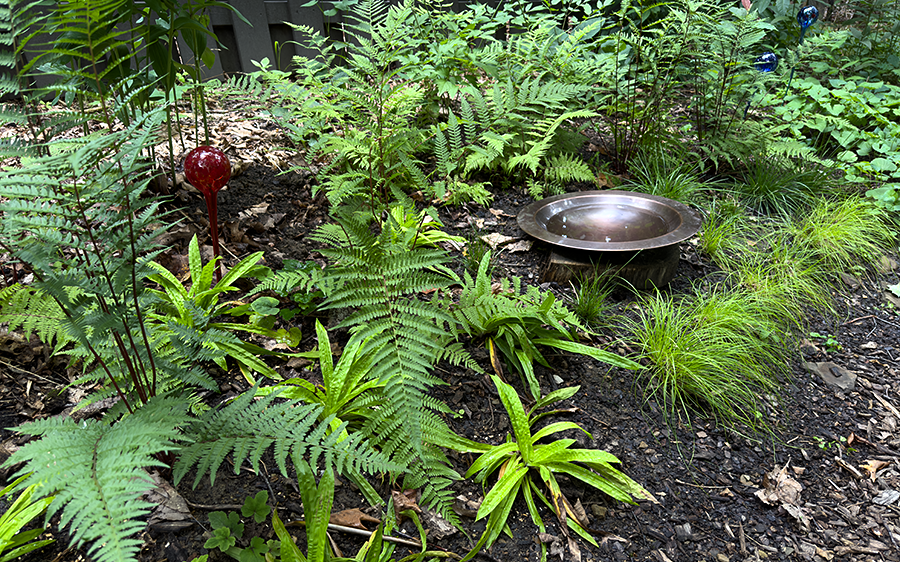
A sturdy copper birdbath added in June has become a centerpiece to the ferns and sedges that flow around it while its water reflects the trees above. All of the plants in this woodland garden are native to our southwest Pennsylvania area, giving me a challenge and an opportunity to play with form, texture and multiple shades of green in an eco-friendly setting.

We moved here over twenty years ago because of the tall trees that surrounded the house – creating a garden at their feet has made them even more treasured. This short video is an effort to capture the atmosphere and beauty that this little woodland garden offers.

I wish you a peaceful place in which to relax and reflect in quiet moments, and if you are a gardener, encouragement to plant a tree and play in its shade.

Nature’s peace will flow into you as sunshine flows into trees. The winds will blow their own freshness into you, and the storms their energy, while cares will drop off like autumn leaves. ~John Muir

All text, images, and videos ©2025 Lynn Purse, All Rights Reserved except where noted.


Silver and gold

I’m celebrating! I’ve been a member of Garden Communicators International (GardenComm) for many years – they are an excellent organization that offers multiple opportunities for professional development. A few years ago, I joined a GardenComm Power Circle – a working group of colleagues that helps strengthen skills in various areas, in this case, for filming and editing videos. After several months in the Power Circle, I made a garden video from footage shot in my garden that I had prepared for a group session. When I uploaded it to YouTube, I quickly got over 24,000 views, which was shocking to me, but it encouraged me to make more garden videos and improve my craft. Here’s that early video:

This year was the first time I entered two of my garden videos in GardenComm’s 2025 Laurel Awards competition in the Digital Media: Video category. I was thrilled to find out that both of my videos were chosen for Silver Laurel Media Awards! 

Silver Laurel winners are then considered for a single Gold Laurel award in each category. I attended the awards banquet in July and to my shock and delight, one of my videos won the Gold! It was such an unexpected honor and I am spurred on to explore new ideas and new techniques for future garden videos. I am also attempting to keep my garden “video ready” for those perfect video moments and of course, keep Pixie by my side, as she is the real star of the show.

Here is the Gold Laurel winner:

And here is the Silver Laurel winner:

For all of you who follow me on this blog, I thank you so much for your kind words, friendship, and support over the years.

The greatest gift of life is friendship, and I have received it. ~Hubert H. Humphrey

Playing with color

The garden is moving into its most colorful time of the growing season. Daylilies and Echinacea have come into bloom, tall lilies release their fragrance into the air on warm days and, even at twilight, the white Hydrangea flowers make a bright statement in the circle garden.

One of my favorite garden areas is the Grape and Lemonade bed, where all of the flowers are purple and lemon yellow. I’ve been wanting to paint a flower pot in those colors to place in the bed in order to amp up the color and finally had the time to do it. I’ve always been inspired by artist and gardener Keeyla Meadows for the way that she paints large garden pots and then plants them in the same color palette. You can see some of her work here or visit her on Instagram @keeylameadows.

While I’m not nearly as adventurous as she is, this is my first attempt at painting and planting a pot to echo a color theme.

And here it is in the garden – even from far away, the rim of the pot stands out and will add color until the end of the garden season.

I created a short video of the Grape and Lemonade bed and how I painted the pot, which I consider a small gift to a pretty part of the garden. It is the first video in a series I’m starting on my YouTube channel called “Spotlight in the Garden”. Enjoy!

I hope you are enjoying floral fireworks at the height of summer, and if you are lucky, an evening show of fireflies.

All text, photos, and video ©2025 Lynn Emberg Purse, All rights reserved.

When dreams come true

A few weeks ago, I stood looking at my sunny hillside with the man who has been helping me with my garden for the past several years. With the heavy lifting done by Bill Lucki from Natural Garden Design, I’ve systematically removed invasive and non-productive plants and replaced them with plants native to our area to support pollinators and wildlife. But I still wanted the garden to be beautiful.Bill turned to me and said “you wanted a stream of contrasting color and there it is.” And he was right. In a hillside awash with yellow native primrose, we had planted a weaving line of red yarrow a year ago and now it was starting to make a statement.

The last 4 years of systematically tearing the garden apart and putting it back together again is beginning to pay off, even though I know Bill has had his doubts about the level of destruction! Every year a wider species of birds appear and make their nests here while more pollinators appear to take advantage of the bounty. While the garden will never be 100% native, research suggests that a plant mix of 70% native puts it into the viable eco-system category and I’ve surpassed that percentage this year. The garden feels absolutely magical when I walk through it each morning, full of life, color, scent and sound.

The only way I can seem to truly capture that magic is through video, so here is my portrait of June in the garden. And while the video focuses on roses and lilies and clematis, the native plants and trees create the foundation that surrounds them.  

May you enjoy a summer of beauty and magic, wherever you are.

Going native

We’re at the end of “Pollinator Week” here in the U.S., an opportunity to draw attention to the plants and practices that build habitats for our pollinator friends. For the past four years, I have systematically eliminated groups of plants that have either been rated as invasive for our area or simply don’t provide any value to pollinators or wildlife in general. Replacing them with natives has resulted in a massive shift in the number and variety of birds, butterflies, and other pollinators that now reside here. The dawn chorus is astounding when Pixie and I step into the garden each morning – take a listen for yourself!  

The circle garden is overflowing with lush growth after week-long periods of rain.

I’ve been experimenting with what native plants do well in different parts of the garden – one delightful surprise has been foxglove beardtongue, the graceful Penstemon digitalis native to our area. It grows equally well in rich sunny areas and dry woodland beds, stands up to the rain and resists deer browsing while its white blossoms on tall wands feed small winged pollinators. It’s easy to grow from seed so it’s time to add another dozen plants to every part of the garden!

Another happy native plant is Zizia aurea, better known as Golden Alexander. It blooms with the peonies and has handsome foliage all season long but importantly, is the host plant for black swallowtail butterflies. I’ve been letting it self seed so that I will have more to spread about the garden.

The woodland garden I began last year has begun to fill out and actually look like a garden, thanks to the almost constant rain.

Filled only with native plants, it has been a fun challenge to play with the textures and shapes of woodland denizens. A new copper birdbath provides a clean and dependable source of drinking water for wildlife while adding a little shine to the area.

Sometimes my heart hurts a little when I watch online videos of gardeners who continue to promote plants that are damaging to the environment because, in addition to adding to a problem, it encourages others to do the same without thought for the consequences. Creating a beautiful garden that is also a healthy habitat does not have to be mutually exclusive.

So this year, I’ve decided to shine a light on beautiful garden plants that also support pollinator life in the hopes of encouraging others to do the same. Today’s video features five of my favorite native plants, with more videos to come. I continue to learn and refine my plant choices as I reach for a 70% native plant balance, the “magic number” to creating a viable habitat. Enjoy!

If you have a garden, I hope you will consider adding a “native to your area” plant or three to provide food for our precious pollinators.