Second wind – restored energy or strength; renewed ability to continue in an effort ~ The Free Online Dictionary
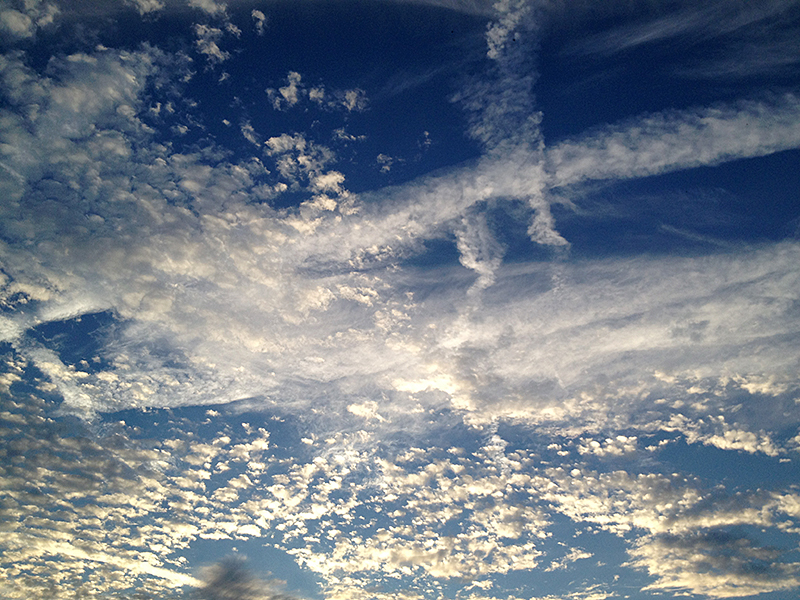 The rains came last night, the wind blew them in. When I went out at midnight with Angel, the air was still warm, pale clouds were threaded across the sky, and the insect chorus was heartily singing. I fell asleep by an open window, lulled by the unexpected sound of summer in October. But later I woke to the sound of the wind blowing the leaves and bowing the trees for hours, finally bringing a soft steady rain punctuated by acorns plunging from the trees onto the roof. It was a night to wake up often and listen, then fall asleep again with the wild sounds of the earth all around.
 The garden lingers into fall, having gotten its second wind after the heat of summer. MIld days, alternating between warm slanted sunshine and entire days of rain and mist, have fostered a last round of bloom. Even as copper oak and golden ash leaves drift into the garden beds, the bright faces of flowers blossom everywhere. The purple asters and golden mums of the season have appeared right on cue, but roses, salvias and coreopsis are making a surprise grand finale appearance, along with the annual nicotiana and ageratum. The deep warm foliage of coleus and ornamental sweet potatoes have refreshed themselves after the scorching heat of August; their vibrant leaves trail and climb through the garden in a final burst of glory. Here and there a summer clematis flower pops up, an unexpected treat. The tall grasses are at their height of flowering, wands swaying in the slightest breeze, moving in tandem with the clouds overhead.
Bio-acoustician Bernie Krause coined the term geophony to describe the sounds of the rain, wind, thunder, surf – the music of the geosphere, as different from biophony, the sounds of the biosphere. Although the raucous arguments of crows and the chirping calls of chipmonks will continue year round, I can hear the shift from the biophony chorus to the predominance of the geophony orchestra. As the northern hemisphere swings into late autumn, the music of wind and weather is gradually taking the place of the creature choir that is the hallmark of spring and summer.


 composerinthegarden