Be Neither Silent Nor Still

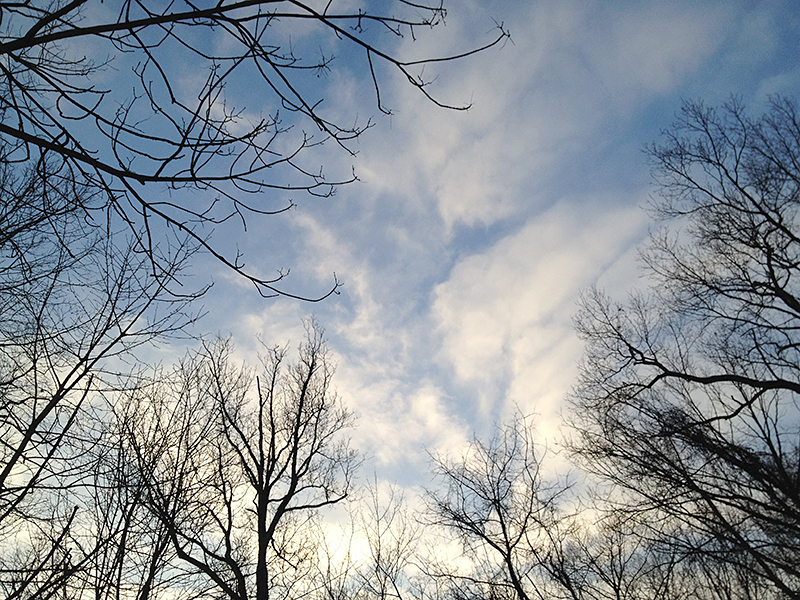
winter skyIn the past few weeks, the silent landscape of winter has shifted into a vibrant chorus of bird song as the winged ones return and begin to court and nest. The spring equinox has passed, and though winter lingers on, each day grows longer and brighter – light is returning to the world. A time of renewal in the earth also seems the time to renew one’s spirit.

Ten years ago, I composed a set of pieces for the 125th Anniversary of Duquesne University entitled “The Trees of Righteousness.” The text, taken from the biblical sources of Isaiah, Ezekiel, and the Psalms, explored the sense of being called to a purpose in the world.  The second movement, “Be Neither Silent Nor Still” always comes to my mind during Lent and Holy Week.  It is about the dark night of the soul, about searching for light as well as a cry for compassion and justice. As we emerge from the long dark nights of winter, the song reminds me that this is a universal experience of being a human on the earth, regardless of one’s religious or spiritual beliefs. It was written for my dear friend and colleague Guenko Guechev, whose magnificent voice you will hear on the recording. May you find renewal of the heart, mind and spirit this spring.   

This slideshow requires JavaScript.

Be Neither Silent Nor Still from “The Trees of Righteousness” music by Lynn Emberg Purse,  @2003

O God, be neither silent nor still.

I look for the light but all is darkness
I look for the light, the light of dawn, but I walk in shadow.
I reach out like a blind man, a blind man along a wall
waiting for justice, for justice, and there is none.

O God, be neither silent nor still.

The wretched and the poor look for water and find none.
Their tongues are parched with thirst, parched with thirst.
Will you not turn the wilderness into pools
and dry land into springs of water?

O God, be neither silent nor still.

Give me a new heart, give me a new heart and
put a new spirit within me.
Take the heart of stone from my body, the heart of stone
and give me a heart of flesh, of flesh,
a new spirit within me.

O God, be neither silent nor still,
In My Dreams

In my dreams, I’m not bound to walk beneath the earth.
In my dreams, my guardian will return and lend his wings,
his wings to carry me aloft, his wings to carry me,
a lost and lonely child, alone in the dark
~ from “In My Dreams/Thumbelina’s Lament” by Lynn Emberg Purse ©2008

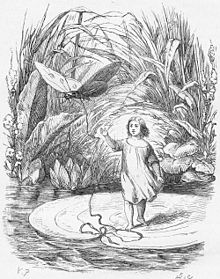
ThumbelinaThis morning, the sun returned.  What a powerful experience, after days of gray skies and waves of snow, freezing rain, and ice. The myth of Persephone, the queen of the underworld who is allowed to return aboveground in the spring and summer, is on my mind these days.  Even as I start seeds for this year’s garden, I have been working on a musical based on the fairy tale of Thumbelina, a variant of the Persephone myth. I have always loved this tale, especially since Thumbelina’s good deed of saving the swallow who falls underground earns her a pair of wings and the gift of spending the rest of her life aboveground, living in a flower.  But before that happens, she must go through her own “dark night of the soul” – living underground for the winter and being promised in marriage to Mr. Mole, a wealthy character who will never let her go above ground again. In the spring, the swallow returns to rescue her and flies her to a garden.

The Persephone myth is a reflection of the rhythm of the seasons, from the hibernation of winter to the blossoming of spring, but from a psychological view, it is more than that.  The journey “underground” is often compared to the “dark night of the soul” that many have experienced, a time of living underground in one’s psyche while experiencing doubt and despair, but eventually returning to sunlight.  In a similar vein, the Hero’s Journey was explored in depth by Joseph Campbell and brought into popular consciousness. The mythical journey of the reluctant hero surviving chaos and danger in order to retrieve something of worth is a constant source of story for books and films.  Last night’s Oscar winning film, Argo, is a perfect example of a story that never loses its power.

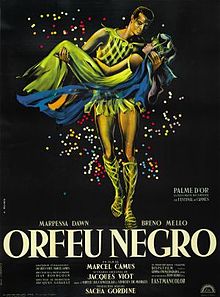
BlackOrpheusposterAnother variant on this theme is that of Orpheus, who could charm the stones with his music and who descended into the underworld to retrieve his wife Eurydice. Perhaps you remember the 1959 film Black Orpheus – filmed in Brazil by French director Marcel Camus – and the beautiful song of the same name written by Luis Bonfa. An adaptation of the Orpheus myth set in Rio de Janeiro and featuring samba and bossa nova music, the movie won the 1960 Academy Award for Best Foreign Language Film.


butterfly and flowersIt is late February and spring is around the corner. The treetops are turning red with the rising sap, bulbs are rising from the earth, and I can feel the sunlight on my face. I’m ready to emerge from the underground and spend the rest of the season living in a flower.

In my dreams, I feel sunlight on my face.
In my dreams, I have found another place,
a place where color and light have blended just right
into a rose, a flower, a bloom, a place to call home
Where I can live and be me, be free.
A place where the swallow can go, a place that I know,
a place in my dreams.
~ from “In My Dreams/Thumbelina’s Lament” by Lynn Emberg Purse ©2008