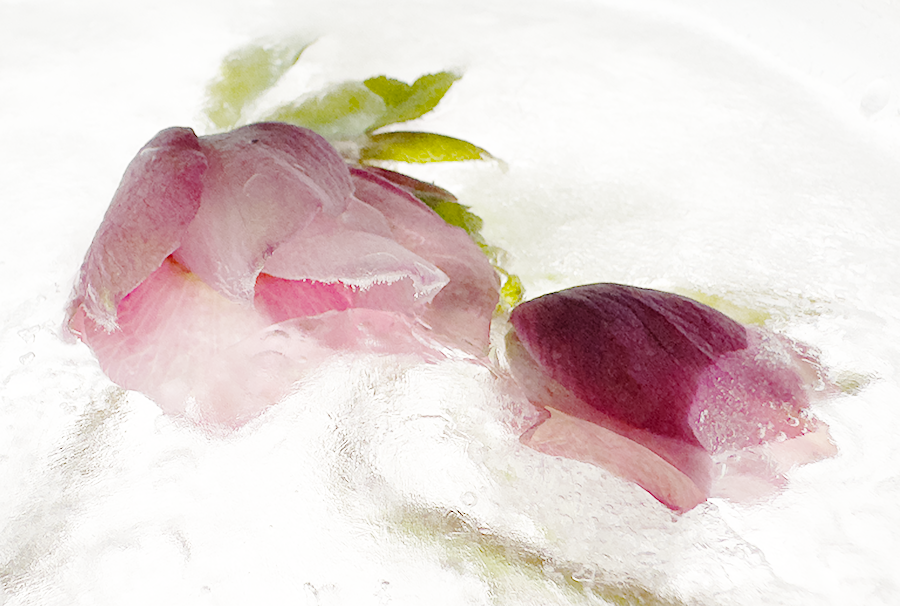
Is there a gardener living who doesn’t dream of what a new garden season can bring? Our long winter months in the American north encourage that dreaming. The sharp changes from warm to frozen and back again inspired me to freeze some hellebore buds in ice to reflect this spring’s crazy weather. The seeds I ordered by Christmas were planted indoors under lights and outdoors in wintersown jugs by early February. Lists of plants were made and remade, then ordered – they are now arriving almost daily.
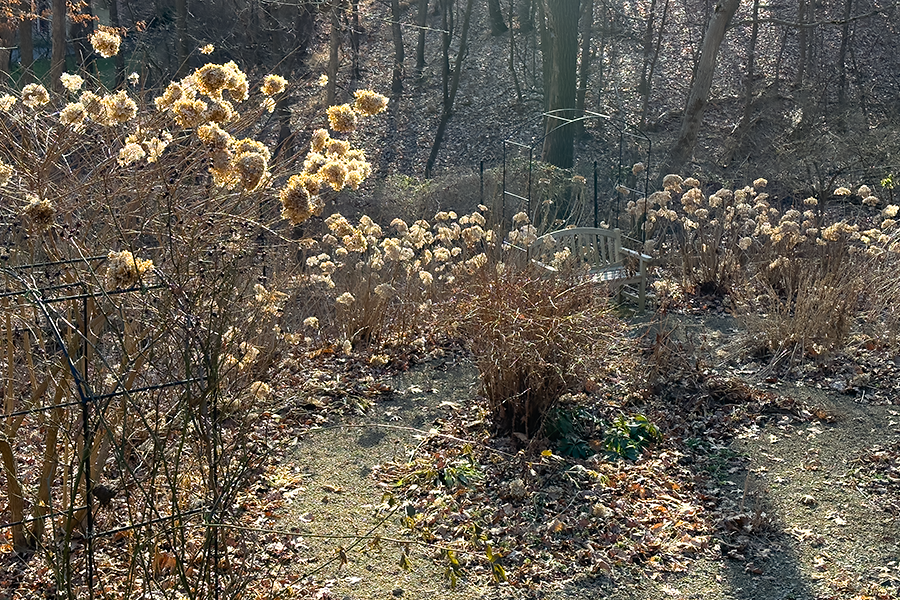
The garden slowly evolved from its late winter glow
into early spring bloom
and then into vibrant spring color.
The weeping cherry in the center of the circle garden bloomed early and profusely. As always, it was alive with hungry pollinators looking for a early meal.
Gradually it released its petals as the greens of the garden emerged,
followed by fragrant purple sandcherry blossoms perfuming the air near the deck.
My biggest garden dream this year is to plant several new woodland garden beds with all native plants. For the past three years, I have been systematically removing invasive plants in the woods and plants that are not pollinator friendly in the garden beds. My longterm goal is to have 70% of the garden plants be native (the woods are already 90%). As I increase that percentage each year, more insects and birds take up home here and grace the garden with their presence.
I’ll be tracking my progress this year as part of a collaboration with some YouTube garden friends as we each pursue and document our garden dreams over the year. Here is my first installment of the video series, let me know what you think below in the comments. Happy garden dreams!
Spring drew on…and a greenness grew over those brown beds, which, freshening daily, suggested the thought that Hope traversed them at night, and left each morning brighter traces of her steps. ~Charlotte Brontë, Jane Eyre
On September 23, the light on this planet will achieve a moment of perfect balance, a moment when there is a period of equal light and darkness throughout the world. And then it will tilt on, ever changing over the seasons until the next equinox. Like the planet, I experience my own moments of balance, especially when I’m in the garden.
Life is a balance of holding on and letting go. ~Rumi
I’ve devoted this year to improving my health so that I can continue to garden. Daily attention to the foods I eat and working to build strength has improved not only my mobility but my balance, allowing me to weed a hillside or traverse the stone steps of the garden without fear.
When you dance, your purpose is not to get to a certain place on the floor. It’s to enjoy each step along the way. ~Wayne Dyer
Once again I can dance with the garden, a pas de deux that seems to leave us both pleased. I supply the plants and the support system, she responds with beauty that nourishes my soul and living creatures who fill the garden with color, movement and sound. We’ve become old friends, my garden and I – we have found our rhythm in this slow dance of flowers. (Click on any photo to see a full size image)
Rose ‘Ambridge Rose’
Clematis ‘Margo Koster’
New rose leaves
Lily ‘Tiger Babies’
Griffith Buck rose
Bumblebee sleeping on dahlia
Last year, I focused on replanting the outer garden to grow more native plants, to support more pollinators in their life cycle. The results were all I hoped for, as the more naturalistic planting style fit our wooded lot and the upswing in insects and birds was notable. This scene was transformed from the foxgloves and peonies in May to the blooms of betony (Stachys) and milkweed in June, along with the emergence of native grasses.
July was filled with the graceful wands of tufted hair grass (Deschampsia cespitosa) and the raspberry red flowers of bee balm (Monarda didyma).
The walk through this little garden is filled with the sound of bees and birds
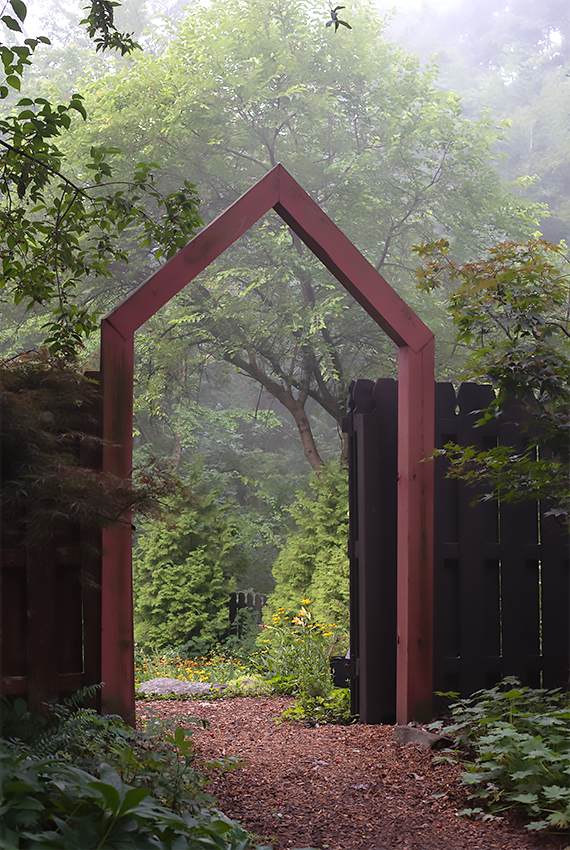
though quiet on misty mornings.
You were once wild here. Don’t let them tame you. ~Isadora Duncan
This year, I took the same approach to the inner garden, letting go of many non-natives, especially many daylilies which found new homes
Hillside of daylilies
Daylily ‘Lavender Stardust’
Daylily ‘Eggplant Ecstasy’
and replacing them with plants that support wildlife at every stage of their life cycle. Next year, those changes should be more evident in the number and diversity of insects and birds yet still add beauty and balance to the garden.
The balance of nature is not a status quo, it is fluid, ever shifting, in a constant state of adjustment. ~Rachel Carson
All the flowers of summer, from June to mid-September, are featured in this short film, with Miss Pixie gracing the garden from time to time. I was inspired by the beautiful soundtrack recording of Satie’s Gymnopedie #1 recorded on cello.
Bill and I celebrated our 44th wedding anniversary a week ago. The cake decorator got a little confused about the number – we’re still practicing how to pronounce 44nd 🙂Pixie decided to erase the error by breaking her year-long record of no counter-surfing; she was feeling left out of the festivities and grabbed her own piece of cake. Honestly, it was a day of hilarity and celebration, from the time we removed the cake from its box and started giggling, toasted the day with Prosecco, reminisced over our wedding album photos, and laughed at Pixie’s antics. Forty-four years of loving and laughing has brought its own point of equanimity to our marriage.
When I awake tomorrow, the earth will be poised on its seasonal moment of balance. May you find joy and balance in your days ahead, no matter what comes your way. Happy Equinox!
In the past, we have asked one thing of our gardens: that they be pretty. Now they have to support life, sequester carbon, feed pollinators and manage water. ~Doug Tallamy
I went out in the garden during a break in the rain this weekend and the bumblebees had already emerged to feast again on Agastache ‘Black Adder’. New to the garden this year, this plant has been feeding pollinators for months as it spread its long arms and blue flowers through the blue and peach garden.
It has been a perfect summer for the garden, with plenty of rain and sun. In October, the growth is still lush in the cool temperatures and autumn rains.
Last year was a year of rejuvenation – the garden beds were half empty by October after invasive and non-productive plants were removed. The remaining plants thrived this spring and hundreds of new plants, mostly natives for pollinators, were planted. The results made for a garden full of bees, butterflies, birds, and many other happy well-fed creatures.
The garden suggests there might be a place where we can meet nature halfway. ~Michael Pollan
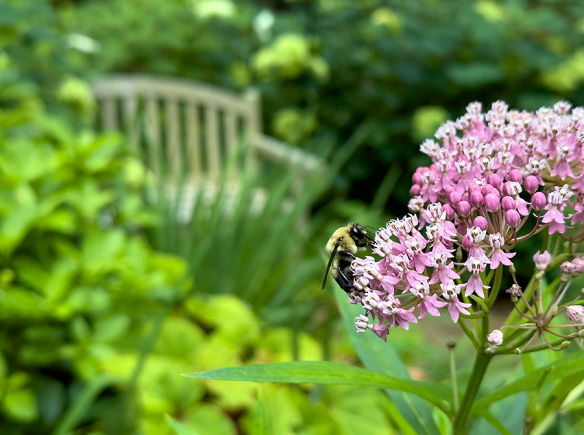
The gardens outside the fence got an infusion of Monarda (bee balm), Agastachefoeniculum (anise hyssop), milkweed (Asclepias), Liatrus and Golden Alexander (Zizia aurea), much to the delight of the bumblebees and hummingbird moths. The anise hyssop continues to bloom with the goldenrod and zinnias.
I let the sun loving natives take over the south facing hillside and they attracted so many bees that my garden crew couldn’t work there on a sunny day.
The decks were stuffed with pots of salvias and Agastache rupestris which drew in the hummingbirds and bees and a poodle.
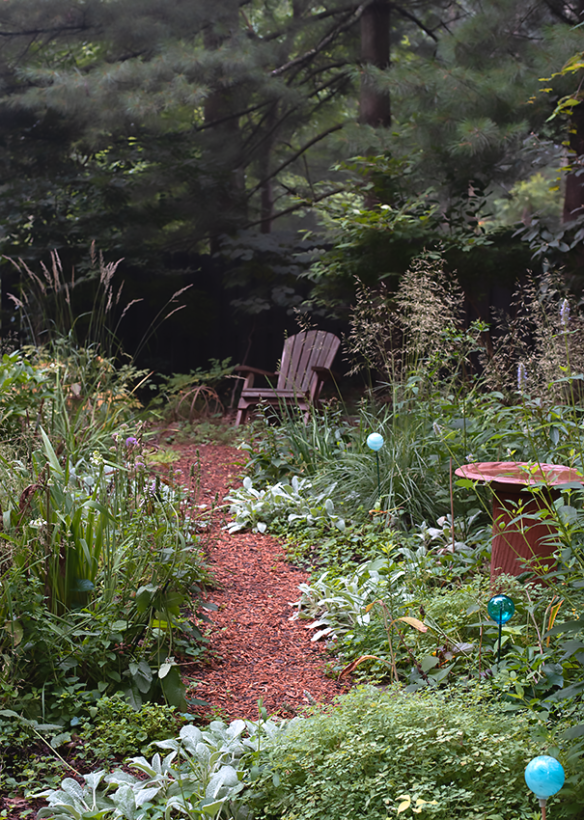
I made room in the blue and peach bed for a swath of great blue lobelia (Lobelia siphilitica) and tall phlox (Phlox paniculata) amid a new set of glass globes in the blue garden.
The garden has buzzed for months with pollinators, more birds took up residence in the woods including some I’ve never seen or heard before and they fledged many babies over the season. And I learned to look more closely, listen more intently, and feel more connected to the garden than ever before. Pixie and I spent many wonderful hours together in our little paradise.
I can think of no better form of personal involvement in the cure of the environment than that of gardening. A person who is growing a garden, if he is growing it organically, is improving a piece of the world. ~Wendell Berry
Here is a short video of the pollinators in my garden throughout this year; enjoy!
Nature’s message was always there and for us to see. It was written on the wings of butterflies. ~Kjell B. Sandved
The garden in August is as much a garden of creatures and sound as it is of flowers. As the flowering season comes to a crescendo, the garden becomes a “last chance buffet” for every creature gathering food stores for winter or for migration. The cicadas buzz in the woods throughout the day; in the evening, the frog chorus breaks out into pulsing serenades of courting. Bees of every size and shape buzz around the richest sources of pollen, butterflies flitter and float through the air and compete with the bees for flower landing space, hummingbirds visit every tubular flower for nectar. This is the time of the year that the gardener needs to step aside and enjoy a ringside seat to the panorama of life in the garden. Here’s a sample of the frog chorus at night. (Audio recorded and edited by Bill Purse)
A few years ago, a serious health crisis made me an observer rather than a participant in my garden for a season or two. Even as the weeds grew unhindered, the flowering plants also bloomed without my help and were covered in bees and butterflies for months. It became apparent to me that tidiness was not a priority of Mother Nature; her priority apparently was growth abundant, unruly and rich with life. While I still enjoy playing with color and texture and form, my garden priorities are now more aligned with those of Mother Nature to support the life of creatures around me. Happily, creating a refuge for pollinators can also result in a beautiful refuge for the gardener.
We have entered an age of environmental gardening. Given the afflictions of our planet, this is overwhelmingly positive as long as we remember that the one creature most in need of refuge in the garden is the gardener. ~Adrian Higgins, The Washington Post
Each morning, Angel and I explore the garden. It is lush and overflowing, full of wings and buzzing and singing.
This slideshow requires JavaScript.
The hillside that in July was covered with daylilies is now overflowing with the cheerful gold of native brown-eyed Susans (Rudbeckia hirta and R. triloba) that are favorites of both butterflies and bees.
This slideshow requires JavaScript.
Golden flowers abound this time of year and are a favorite of pollinators. For the first time, the Silvery Checkerspot butterfly has made an appearance. (Click on any image in the mosaic to see the full size photo).
Silvery checkerspot butterfly on Rudbeckia triloba
Rudbeckia triloba
Rudbeckia hirta ‘Viette’s Little Suzy’
Bee in species daylily
Bee headed for Digitalis lutea
The deck garden is anchored on one end by a large stand of purple coneflowers and on the other end by single roses and Persicaria ‘Firetail’ – all attract a bevy of native bees and butterflies throughout the day.
Echinacea purpurea ‘Ruby Star’
Bee and Echinacea
Single rose ‘Carefree Beauty’
Bee on Persicaria ‘Firetail’
Yellow swallowtail butterfly
Lush Hydrangea blossoms form a backdrop to a tall swath of native Phlox paniculata in shades of lavender and purple, a favorite of the yellow swallowtail butterflies. Planting in groups helps pollinators gather food with the least energy expended, so I’ve begun to allow their favorite plants to increase and spread. Birdbaths tucked into flower beds provide essential water.
Pollinator on Hydrangea ‘Limelght’
Phlox paniculata ‘Franz Schubert’
Agastache ‘Blue Fortune’
Phlox and Hydrangea
Birdbath, ostrich ferns, and hosta
Every garden is a work in progress and changes over time. I have been gently steering my garden toward one that supports winged life – this year it was certified as a Pollinator Friendly Garden through the Penn State Master Gardeners program. Just one more step in creating a place where all the parts fit and work together as a whole. Want to know more? Visit pollinator.org for information on National Pollinator Week and easy steps you can take to support life on our planet.
The first law of ecology is that everything is related to everything else. ~Barry Commoner, American scientist
Bees do have a smell, you know, and if they don’t they should, for their feet are dusted with spices from a million flowers. ~Ray Bradbury, Dandelion Wine
I’ve been dreaming about bees lately. I’m allergic to their stings, so it can be a bit alarming when they follow me around Dreamland. Nevertheless, I love seeing them in the garden and welcome their beauty and soft buzzing sound.
A TED talk recently reminded me of how important bees are to our planet and food supply. Each one of us can make a difference if we plant a flower. Perhaps some of you see flowers as important only for their aesthetic beauty and regard vegetables as the practical heart of the garden, but that is not the whole picture. Without flowers, we have no pollinators, and without pollinators we have no fruits and vegetables. Recent field studies show that planting a few flowers can change the ecology of any landscape for the better as well as provide food for insects and birds. So please your eye and please your palate – plant a flower and make the world a better place.
TED Talks: Why Bees are Disappearing
Immerse your self in the wonder of pollinators with Schwartzberg’s The Hidden Beauty of Pollination (pollinator footage starts around 3:15)
Doug Tallamy’s site Gardening for Life: Bringing Nature Home gives even more insight and suggestions on the importance of native plants for sustaining our natural world.
Deborah DeLong has a lovely blog, Romancing the Bee, on urban beekeeping, gardening, and cooking with honey.
If the bee disappeared off the face of the earth, man would only have four years left to live. ~Albert Einstein
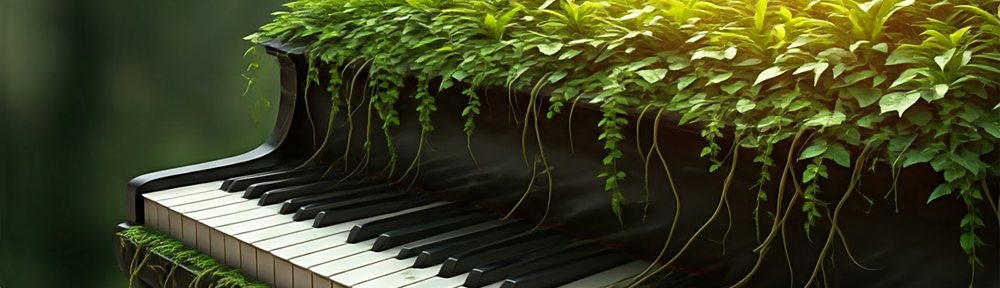
 The seeds I ordered by Christmas were planted indoors under lights and outdoors in wintersown jugs by early February.
  Lists of plants were made and remade, then ordered – they are now arriving almost daily.


 and profusely.
 As always, it was alive with hungry pollinators looking for a early meal.






 Next year, those changes should be more evident in the number and diversity of insects and birds yet still add beauty and balance to the garden.
 Pixie decided to erase the error by breaking her year-long record of no counter-surfing; she was feeling left out of the festivities and grabbed her own piece of cake.
 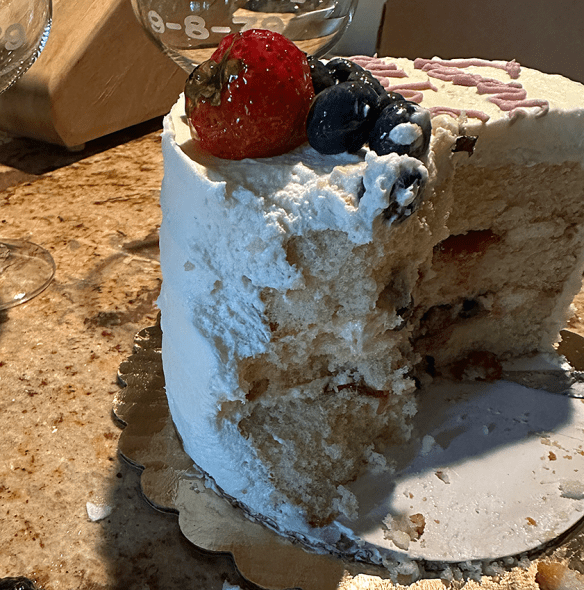 Honestly, it was a day of hilarity and celebration, from the time we removed the cake from its box and started giggling, toasted the day with Prosecco, reminisced over our wedding album photos, and laughed at Pixie’s antics. Forty-four years of loving and laughing has brought its own point of equanimity to our marriage.
 When I awake tomorrow, the earth will be poised on its seasonal moment of balance. May you find joy and balance in your days ahead, no matter what comes your way. Happy Equinox!

 I’ve had my hands in the dirt (well, dirty gloves) all summer, leaving little time to write or share until now.
 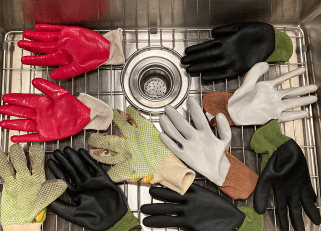 In July, my garden was on a garden tour to benefit a local library and I taught a class in it for


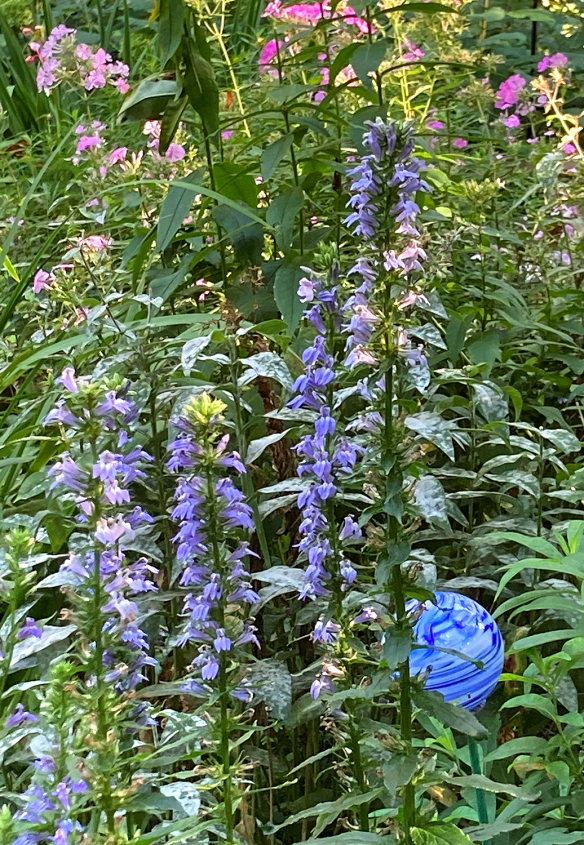 amid a new set of glass globes in the blue garden.
 The garden in August is as much a garden of creatures and sound as it is of flowers. As the flowering season comes to a crescendo, the garden becomes a “last chance buffet” for every creature gathering food stores for winter or for migration. The cicadas buzz in the woods throughout the day; in the evening, the frog chorus breaks out into pulsing serenades of courting. Bees of every size and shape buzz around the richest sources of pollen, butterflies flitter and float through the air and compete with the bees for flower landing space, hummingbirds visit every tubular flower for nectar. This is the time of the year that the gardener needs to step aside and enjoy a ringside seat to the panorama of life in the garden. Here’s a sample of the frog chorus at night. (Audio recorded and edited by Bill Purse)


 Every garden is a work in progress and changes over time. I have been gently steering my garden toward one that supports winged life – this year it was certified as a Pollinator Friendly Garden through the
 composerinthegarden