The Flower Born Today

The flower that you hold in your hands was born today and already it is as old as you are. ~Antonio Porchia

Tulip 'Apricot Beauty'Each day as I walk through my garden, I see the culmination of work that I did last year, or ten years ago. I also see what is to come, tomorrow, next week, next month. Gardeners are time travelers of a sort. This spring, I am reaping the rewards of having the paths redone last summer. To tread on firm gravel instead of sinking up to my ankles in muck as I moved through the garden in April brought to mind the last year’s path project and my hopes for the garden this season. Every tulip and daffodil that bloomed this spring arose from the bending and digging last October when I planted a thousand bulbs – a vision of floral extravaganza played through in my mind as the autumn leaves fell golden to the ground. Now as I trim the fading blooms from each spring flower, I notice the burgeoning growth of  roses and daylilies to come, and anticipate the floral fireworks of June and July in my imagination.

This slideshow requires JavaScript.

I stand in a river of time as the garden streams around me, a constant eddy and flow of events in the moment, yet each dependent on the imagination of the past and the hope of the future. This week, unseasonable heat brought the spring bulb season to a sudden close but also brought on the purple lollipops of Allium aflutanense and the brilliantly colored cloaks of Azaleas and Rhododendrons. Nature never stands still and the ever changing garden carries the gardener with it. Here are a few scenes from the passing spring and the approaching summer; click on any photo to enter the slide viewer. Enjoy! (All photos ©2015 Lynn Emberg Purse, All Rights Reserved).

There is no “End” to be written, neither can you, like an architect, engrave in stone the day the garden was finished. A painter can frame his picture, a composer can notate his coda, but a garden is always on the move. ~Mirabel Osler

Time keeps on slipping, slipping, slipping, into the future. ~Steve Miller (Fly Like An Eagle)

The Old Year Passes

Fast away the old year passes,
Hail the new, ye lads and lasses ~ from Deck the Halls

winter skyReflection and anticipation vie for my attention at this time of the year. Like Janus, for whom January is named, I look back at the year that has passed even as I look ahead to the new year to come. A busy fall semester and the hubbub of the holidays has kept me away from my blog until now, but in the lull before the new semester begins, I have been reflecting on this past year in the garden. It was eventful, partly because of the work done on the garden paths and the deck, and the day I welcomed visitors to the garden. I’ve created a few “time lapse” slideshows of the seasons passing in the garden as a way of sharing my memories of the year’s delights.

The gravel paths that were installed this summer have been a joy to walk on in all kinds of weather; more than ever, they define the shape and the structure of the garden.

This slideshow requires JavaScript.

Some areas of the garden change more dramatically than others as the seasons bring new colors, new blooms, and new heights of growth. I was particularly happy with the border below the deck, set off by the new path, and the meadowy bed outside of the gate that I call the “herb circle” anchored by a terra cotta birdbath.

This slideshow requires JavaScript.

Perhaps the most iconic element in the garden is the arbor that connects the outside garden to the garden hidden inside. Designed to echo the roofline of the house, its simple shape becomes the one unchanging element as the seasons pass.

This slideshow requires JavaScript.

As for hailing the new year, seeds and plants have already been ordered and plans for the garden are in the works. I hope that you enjoyed the “time-lapse” images of the garden (all photos ©2014 Lynn Emberg Purse). A special thank you to each one of my visitors this past year, and especially my followers and fellow bloggers. May you have a new year filled with joy, beauty, and wonder.

To be interested in the changing seasons is a happier state of mind than to be hopelessly in love with spring. ~George Santayana

Wake to Sleep


I wake to sleep, and take my waking slow.
I feel my fate in what I cannot fear.
I learn by going where I have to go.

 ~ from “The Waking” by Theodore Roethke

The Woodland GardenThe end of autumn is a season that stretches the mind in many directions. There is glory above in the treetop colors and in the remnants of summer beauty at the feet. Lingering green mixes with gold and red and brown as summer gives way to autumn. Even as the garden moves through entropy as it prepares to lapse into winter somnolence, the roots of every plant grow and deepen, a hidden font of life beneath the earth. Even as nature moves into winter’s sleep, its underground life, its dreaming, stretches downward as a balance of new growth. Waking and sleeping become one, as we humans balance on the threshold of old and new, the magic of seasonal change. Nothing expresses this multiverse of experience like Theodore Roethke’s evocative poem “The Waking” as set to music and sung so eloquently by Kurt Elling (scroll down to start the video of a live performance). Enjoy the images of October in my garden as you listen to this song of waking and sleeping. (All photos ©2014 Lynn Emberg Purse, All Rights Reserved)

God bless the Ground!   I shall walk softly there,
And learn by going where I have to go.

For more beautiful nature-based poetry and art, visit poet Simon Hilly’s blog.
For exquisite autumn (and any season!) images, visit Kerry’s Lightscapes Nature Photography blog.

Nature’s Sarabande

Sarabande – A Baroque dance that is said to have come from the Saracens. It is in triple meter, and characteristically the second note of the measure is lengthened, giving the dance a stately, majestic flavor. ~ Artopium


Rudbeckia trilobaThe slow stately dance of summer moving into autumn has begun. Days are growing shorter and nights are growing cooler. Where ten new flowers opened in giddy excess each day in June and July, perhaps one begins flowering every few days in August and September. Change is slow but inexorable, a measured graceful prelude to the fiery finale of autumn’s peak. The soft pinks and lavenders of tall phlox keep the butterflies hovering in their midst; the shocking gold and black of Rudbeckias sing in a harmony of color to the fuzzy bees that crowd around them for late season sustenance. Cooler evenings have triggered rose bloom in every color from magenta to pink to apricot – blue Ageratum and Salvias play a cool counterpoint to the warm tones of rose buds and blossoms as they shift in the slanted sun rays to gather the light. Huge trusses of cream colored hydrangeas hang over the garden paths, richly scented and alive with the bumbling movement of pollinators drunk on their sweet largesse. Even as some plants begin to crumble and fall toward dormancy, others rise up with fresh foliage and flowers for a brief coda of glory before the end of the season.

The August GardenUnderneath the visual feast lies the ostinato drone of cicadas and the antiphonal call of tree frogs at night. A few days ago, after a long day in the hot and noisy city, I returned home and stepped outside into the garden – I suddenly felt as if I were Alice stepping through the looking glass. Heat that was oppressive in the city was merely a warm envelope of air in the garden and the early evening chorus of insects and frogs created a symphonic hall of pulsing sound that replaced the chaotic screech and scratch of traffic and construction. I stood entranced for a moment, watching the bats fly overhead in search of mosquitoes. I looked down to see the twinkle of fireflies rising from the garden floor, in search of a mate to commence the pas de deux of partnership. I had not just stepped into a garden, I had stepped into a magical world, a space where I was privileged to see and hear and smell the intoxication of nature in late summer, performing her multi-dimensional dance of life. Humbled and at peace, I began a slow sarabande through the garden.

But I’m not dancing alone . . . I’m dancing with the forest, dancing with the moon. Kenge, The Forest People (Turnbull)

Listen to Handel’s famous sarabande (trigger the video below) as you view a few garden photos from the August garden. Click on any image to start the show and join me in the “stately, majestic” dance. (All photos ©2014 Lynn Emberg Purse, All Rights Reserved)

And those who were seen dancing were thought to be insane by those who could not hear the music. ~ Friedrich Wilhelm Nietzsche

“Everything in the universe has rhythm. Everything dances.” ~Maya Angelou

For a unique perspective on solo dance and the current phenomenon of recording and sharing one’s dance experience, visit Richard Coyne’s post on Mood and Movement (and dance).


Pink October

The crickets still sing in October. And lilly, she’s trying to bloom. Tho she’s resting her head on the shoulder of death, she still shines by the light of the moon. ~Kevin Dalton

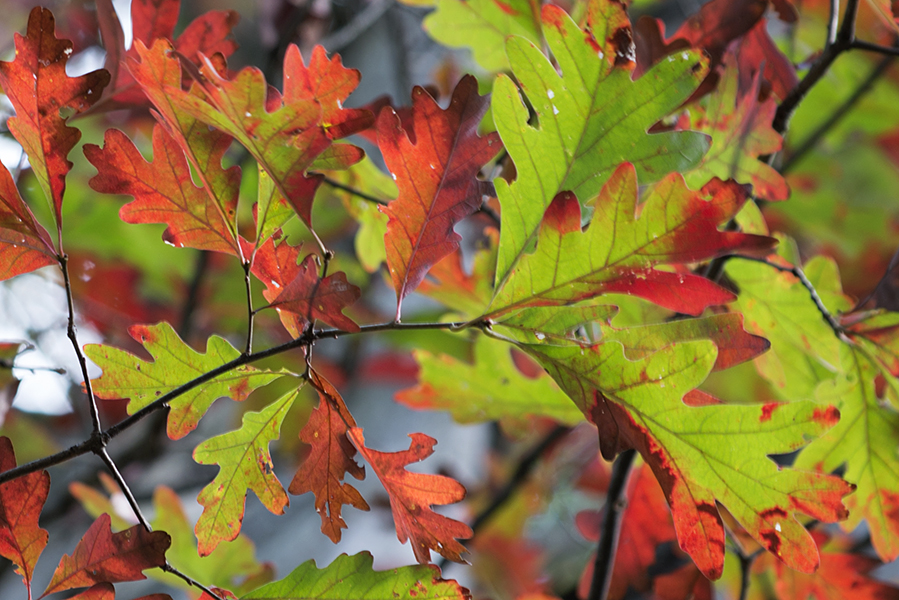
oak leavesOverhead, the oak leaves signal that October has truly arrived. Last night’s full moon and crisp temperatures ushered in the feel of autumn and it won’t be long before the first hard frost arrives. In the garden, the flowers are ignoring nature’s signals and continue blooming as if it were June. A sharp contrast to the gold and bronze leaves drifting into their midst, the garden beds are woven with threads of pink, rose, and magenta and are full of fragrance and life. Pollinators collect food in a last minute grab for stocking the winter larder and the cicadas and crickets sing in the woods. Enjoy a few images of what is surely this year’s last flush of bloom; click on any photo below to start the slide show. (All photos ©2013 Lynn Emberg Purse, All RIghts Reserved.)

I’m so glad I live in a world where there are Octobers. It would be terrible if we just skipped from September to November, wouldn’t it? ~ L.M. Montgomery, Anne of Green Gables