Second Wind

Second wind – restored energy or strength; renewed ability to continue in an effort ~ The Free Online Dictionary
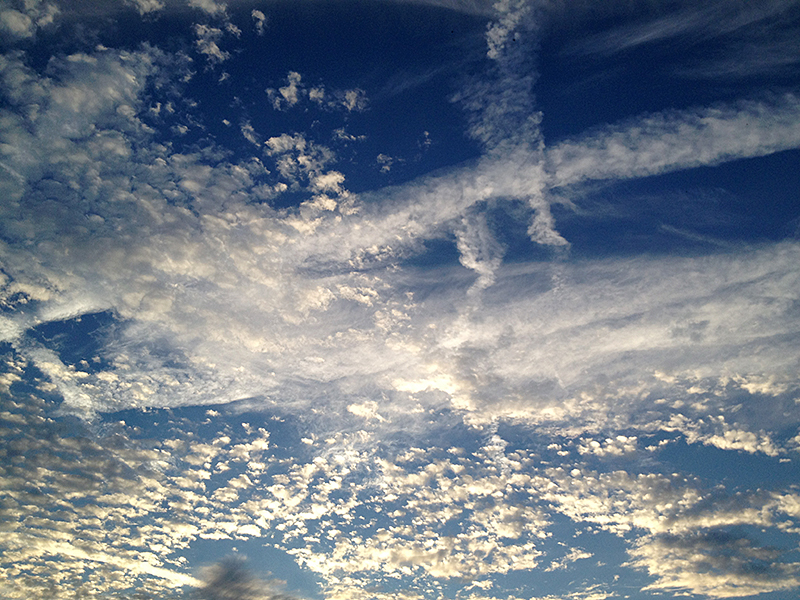
The rains came last night, the wind blew them in. When I went out at midnight with Angel, the air was still warm, pale clouds were threaded across the sky, and the insect chorus was heartily singing. I fell asleep by an open window, lulled by the unexpected sound of summer in October. But later I woke to the sound of the wind blowing the leaves and bowing the trees for hours, finally bringing a soft steady rain punctuated by acorns plunging from the trees onto the roof. It was a night to wake up often and listen, then fall asleep again with the wild sounds of the earth all around.

The garden lingers into fall, having gotten its second wind after the heat of summer. MIld days, alternating between warm slanted sunshine and entire days of rain and mist, have fostered a last round of bloom.  Even as copper oak and golden ash leaves drift into the garden beds, the bright faces of flowers blossom everywhere.  The purple asters and golden mums of the season have appeared right on cue, but roses, salvias and coreopsis are making a surprise grand finale appearance, along with the annual nicotiana and ageratum. The deep warm foliage of coleus and ornamental sweet potatoes have refreshed themselves after the scorching heat of August; their vibrant leaves trail and climb through the garden in a final burst of glory. Here and there a summer clematis flower pops up, an unexpected treat. The tall grasses are at their height of flowering, wands swaying in the slightest breeze, moving in tandem with the clouds overhead.

Bio-acoustician Bernie Krause coined the term geophony to describe the sounds of the rain, wind, thunder, surf – the music of the geosphere, as different from biophony, the sounds of the biosphere. Although the raucous arguments of crows and the chirping calls of chipmonks will continue year round, I can hear the shift from the biophony chorus to the predominance of the geophony orchestra. As the northern hemisphere swings into late autumn, the music of wind and weather is gradually taking the place of the creature choir that is the hallmark of spring and summer.

Here are some photos of the fall garden in its second wind. (click on any photo to enlarge it; that will take you into the gallery viewer – if you are on a mobile device, scroll up to see it)
Want to know more about soundscape ecology?
Whisper of the Wild – an article in the NY Times Magazine of sound ecologists recording the geophony of winter in Alaska
Wild Music – a traveling exhibition about the sounds and songs of life, including the work of many musicians and composers

Wild Sounds

Music is nothing else but wild sounds civilized into time and tune.  ~Thomas Fuller (17th Century English clergyman)

As autumn deepens with shorter days and cooler nights, the creature chorus in the woods around my house begins a long diminuendo. After a warm rainy day, the frog chorus returned but not with the lusty enthusiasm of July and August; on a cool night, they barely make a peep. The cicadas continue their cheerful instrumental bowing but in pianissimo – softly, softly. It is the gradual fading away of the wild sounds of summer that brings on a faint regret. Even as the woodland shifts into high gear for a spectacular visual feast of foliage color, the orchestral concert of sound through my window fades into the quiet of autumn, with the silence of winter not far behind.

In the midst of this, I am preparing to embark on a year long project of recording the sights and sounds of nature in western Pennsylvania, an area rich in woodlands, meadows and watersheds, and using them as core elements in a set of musical pieces “A Year in Penn’s Woods.”  The idea of bringing nature into music is not a new one – the great French composer Oliver Messiaen transcribed the songs of birds and used them in his compositions. Other composers ranging from Alan Hovhaness in “And God Created Great Whales” to Paul Winter in his Missa Gaia (Earth Mass) have incorporated recordings of wild creatures, from whales to wolves, in their works.

Although always inspired by nature, moving into our present home intensified the influence of flora and fauna on my music making. Surrounded by the remnant of a eastern hardwood forest and gardening in a way that supported wildlife of all kinds, the sense of living in the middle of a grand ecology began to emerge in lyric and note as well as inspiring photographs and videos.

Influenced for years by the writings of author and bioacoustician Bernie Krause, I began to use the example of orchestration in the wild while teaching orchestration in music to my students. (Read about his newest publication The Great Animal Orchestra)  Each creature has a niche of sound, a bandwidth if you will, that gives them aural space to communicate with their kind, what Krause terms biophony. This concept has long been an internalized model for me when I begin composing and orchestrating my own pieces, so that each voice has its own niche and is audible even as it contributes to the many layers of instruments.  Here’s a video of Krause speaking at Cal Academy – once there, click on “The Role of Biophony in Sound” to see and hear his findings.

This past July, Krause wrote an opinion piece, The Sound of a Damaged Habitat, for the New York Times on the effect of habitat destruction on sound ecology. (A special thanks to my friend Margie for alerting me to this article) Even as I move deeper into the sounds of nature around me, I am also aware of voices that are starting to disappear.  The recording of frogs and cicadas made on our property a few years ago was far richer, deeper and more varied than the ones I recorded this summer, which worries me. I feel an urgency to move ahead on my project, recording the sights and sounds of our local habitat while sharing it in a musical context.

Here is a video of Krause talking about his discovery of a “singing cottonwood tree” while recording the sounds of brown bats.

When next you walk in nature, I hope you hear the wild sounds, the orchestra of the earth all around you. Perhaps it will inspire you to sing and dance along.

Here’s an older post with a similar idea – Trees that Sing

An August Anniversary

It is late August, the days are filled with the steady murmur of cicadas and the nights resound with the addition of a wood frog chorus that surrounds on all sides.  This is my favorite time of year.  The garden is lush and filled with late summer blooms of gold and purple and demands little from the gardener. Butterflies and hummingbirds flit around like living jewels, feeding on pollen that will speed their journey south in a few weeks.  Storm clouds come and go, creating shifting patterns of light and shadow. The county park nearby celebrates the season with stands of goldenrod and Joe Pye weed.

This slideshow requires JavaScript.

One year ago today, I began the Composer in the Garden blog and I want to thank everyone who has visited, liked, commented and followed.  I have learned so much and have made so many friends.  This community has offered me a place to explore ideas and commit to creating and presenting my music and images on a regular basis. This week, I am in the middle of composing a new piece, “August in Penns Woods” which will use a recording of the sound of my garden as both inspiration and as part of the piece itself. The year has come full circle.  Here is my first ever post, The Sound of the August Garden, that contains the sound file that will serve as the basis for this new piece.

Thank you, my friends, and I look forward to another year.

The Four Elements: Light

What is to give light must endure burning. ~ Victor Frankl

Light in CloudsAt last, I have finally completed the music and video of “Light,” the second piece of The Four Elements. As I did with “Breath” I am offering a free mp3 download of “Light” for the first week of release, which you can find on my Facebook Music Page or at CD Baby.  (After midnight EST, Sunday, August 26, it will revert back to a $.99 download.)

Since I’ve previously written about the creation of this piece in Fire and Light: When the Idea is Too Big and At the Speed of Light, today I simply present the video, the lyrics, and a few acknowledgements. Enjoy!

A special thanks goes as always to my creative partner and husband, Bill Purse, who not only engineered and produced the audio recording, but also played bass and sang. Another thanks to two of my former students, Mike Elliott and Rob Balotsky, who played electronic percussion for the piece, no mean feat considering the odd time signatures and shifting rhythms. A final thanks to the Hubble Space Telescope Program and NASA video sources for such inspiring images of our world and our universe.

Lyrics to “Light”   ©2011 Lynn Emberg Purse

Light, Light
Solar plexus, solar flare
Fire burning through the air becomes
Light through the leaves, Light through the clouds

The edge of dawn, the hem of night
chasing shadows in the race to light.
Light, Light.

Gathered on the waters, reflected by the moon.
Even once removed, its power streams into the night, light.
Light, Light.

Lux aeterna, Lux aeterna, Lux, Lux

Calling All Guitarists!

Bill and science camp kids in front of the big guitar

If you play guitar, like guitar music, or just want a different kind of museum experience, visit the traveling National Guitar Museum exhibit “Guitar: The Instrument that Rocked the World.” Their subtitle for the show is “The history, the science, and cultural impact of the most popular instrument. Ever.” They are not exaggerating.

The Carnegie Science Centerin Pittsburgh is hosting the exhibit until the end of September and it is spectacular. This past week, my husband Bill played guitar for the kids at science camp at the museum, directly in front of the largest playable guitar in the world. After the concert, we had a chance to explore the exhibit, Bill got to play the “big guitar” and I caught a few of the highlights on camera.

The Interactive Guitar Gallery

Everything is unique; road cases house guitars and support amps that are equipped with video displays of historical performances. All styles are represented, and our friend and guitar luthier Bob Benedetto shipped a copy of his luthier workshop to join the exhibit. Bill took the opportunity to climb into the exhibit and don Bob’s work apron, much to the amusement of Bob and his wife Cindy. You can see a few of the shots on their Benedetto Guitars website.

The exciting thing about the exhibit is its marriage of science, history and culture into interactive displays – this is a hands on experience and a treat for all the senses.  Here is a little video I made of our day at the museum, to a soundtrack of “Counting By Eight”, one of Bill’s pieces from his CD Sonic Art – enjoy!

All photos and video ©2012 Lynn Emberg Purse, All Rights Reserved

Want to hear the sound of the big guitar?